One business, every platform
Platform payouts, sponsorship, brand deals, affiliate commission, subscriptions and memberships are all income from the same business. Add them together, from every platform, for the tax year: 6 April to 5 April.

Content creators
Yes. Money from YouTube, TikTok, Instagram, Twitch, Patreon, a newsletter or brand deals is self-employed income, taxed like any other. If it comes to £1,000 a year or less, the trading allowance usually covers it and you need not tell HMRC. Above £1,000 you register for Self Assessment, by 5 October after the end of the tax year, and pay tax on your profit.
The rules
Platform payouts, sponsorship, brand deals, affiliate commission, subscriptions and memberships are all income from the same business. Add them together, from every platform, for the tax year: 6 April to 5 April.
The first £1,000 a year of trading income is covered by the trading allowance. If your income is £1,000 or less, you do not need to tell HMRC, unless you have to send a tax return for another reason.
Above £1,000 you choose: take the £1,000 off your income, or take off your real costs - camera, microphone, editing software, a share of your phone and broadband. Not both. Real costs win once they are more than £1,000.
Registering
If you have not sent a tax return before, register for Self Assessment by 5 October after the end of the tax year you need to report: for income in the year to 5 April 2026, by 5 October 2026. Registering late can bring a penalty.
The tax return is due online by 31 January after the tax year ends. How Self Assessment works.
HMRC's guidance for creators is plain: if you made more than £1,000 from creating content, tell HMRC "even if you just think of it as a hobby". Occasional small sums are what the £1,000 allowance is for.
Common questions
Yes, when you receive them for promoting products: HMRC counts their value as income. Gifted products, brand deals and affiliate income.
Keep a record of every payout and every cost, with the date and the amount. You will need them for your return and, if your income grows, for Making Tax Digital.
HMRC sets it out in tax rules for content creators, the trading allowance and registering for Self Assessment.
What Stoneledger does
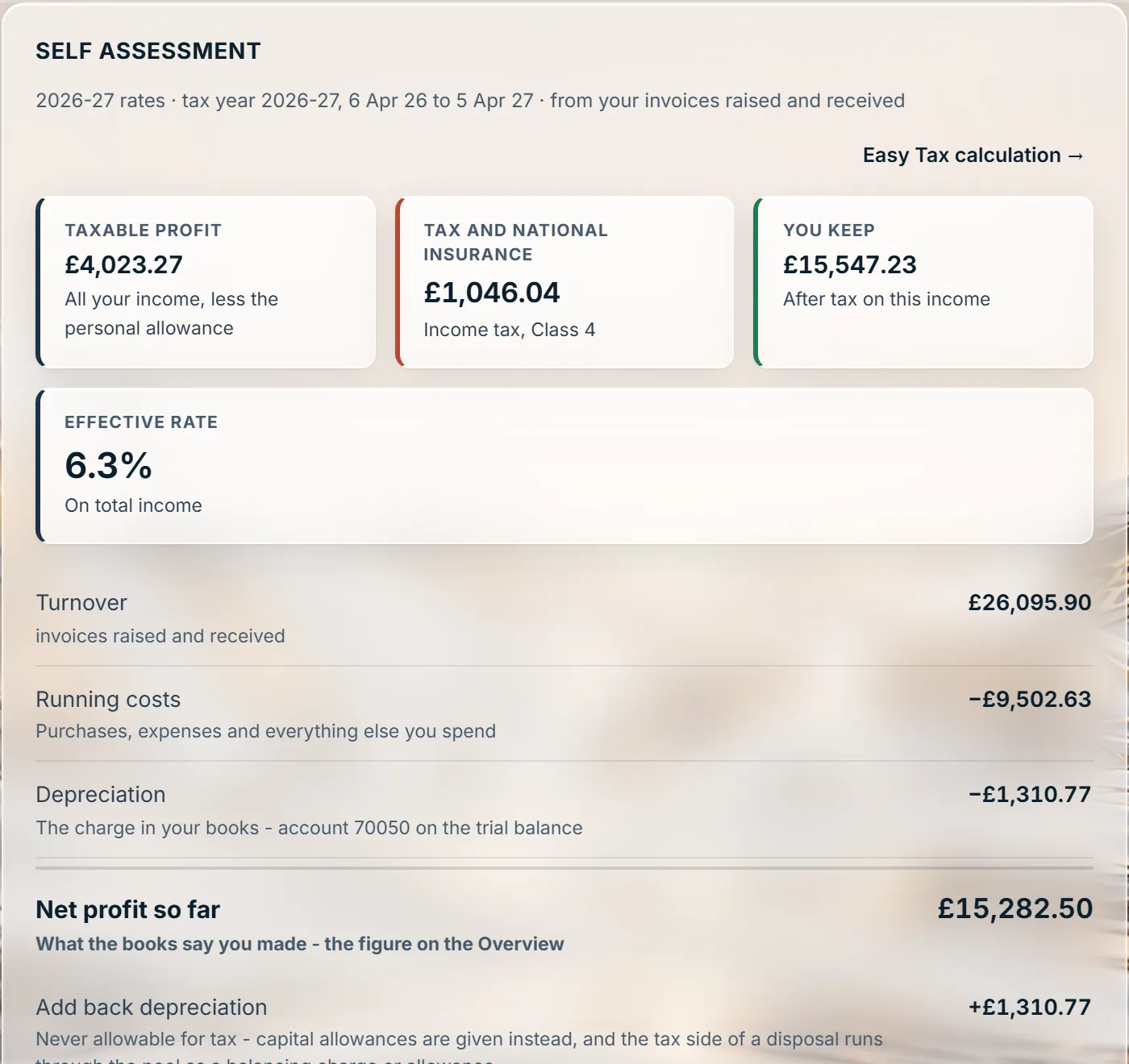
Payouts, brand deals and costs together, with the tax worked out as you go.